Anti-Aging & Longevity
Telomere support, peptide bioregulators, and mitochondrial compounds for longevity research.
Explore advanced peptides designed for longevity research. Our anti-aging collection features compounds targeting cellular regeneration, telomere health, and mitochondrial function.
Showing 19 products
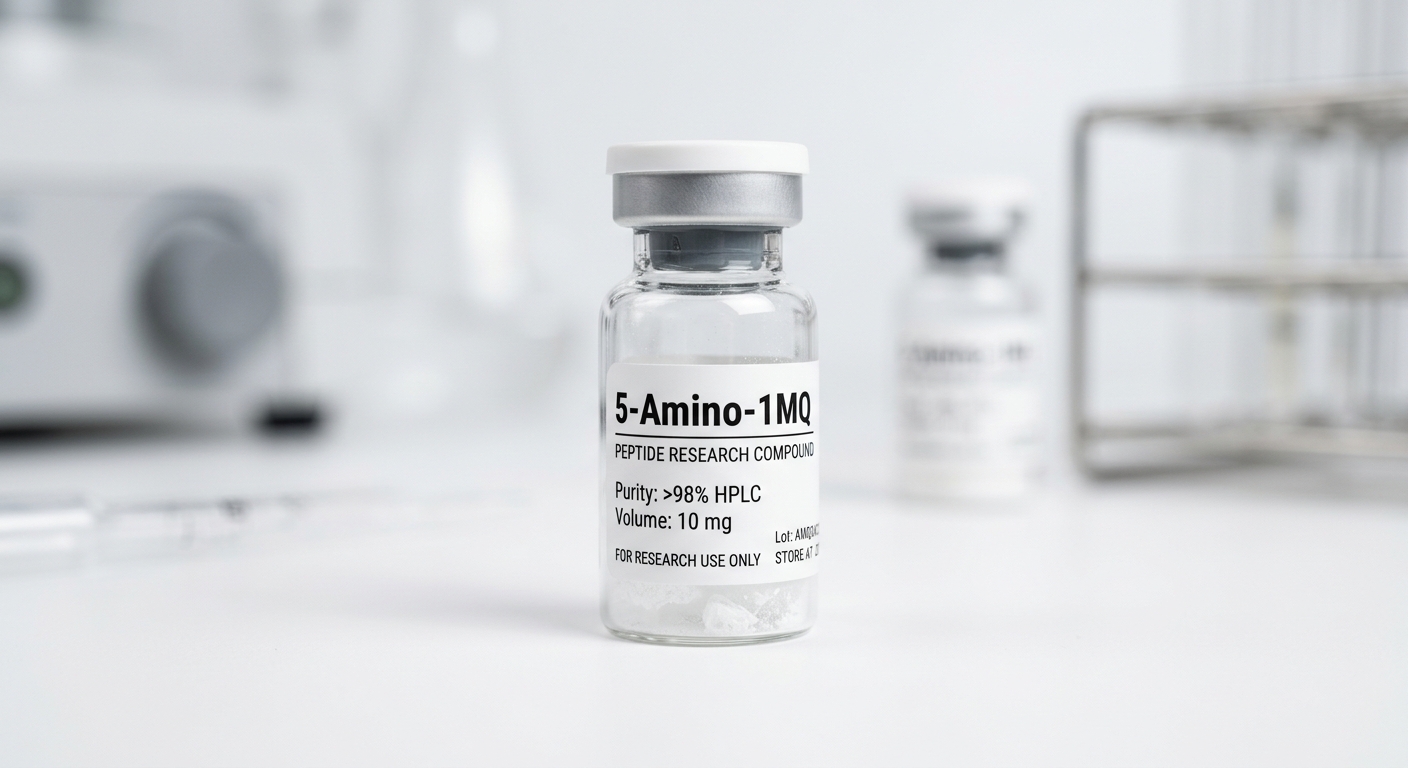
5-Amino-1MQ
Nicotinamide N-methyltransferase (NNMT) inhibitor. Blocks the primary NAD+ consuming pathway outside mitochondria, raising cellular NAD+ levels and activating
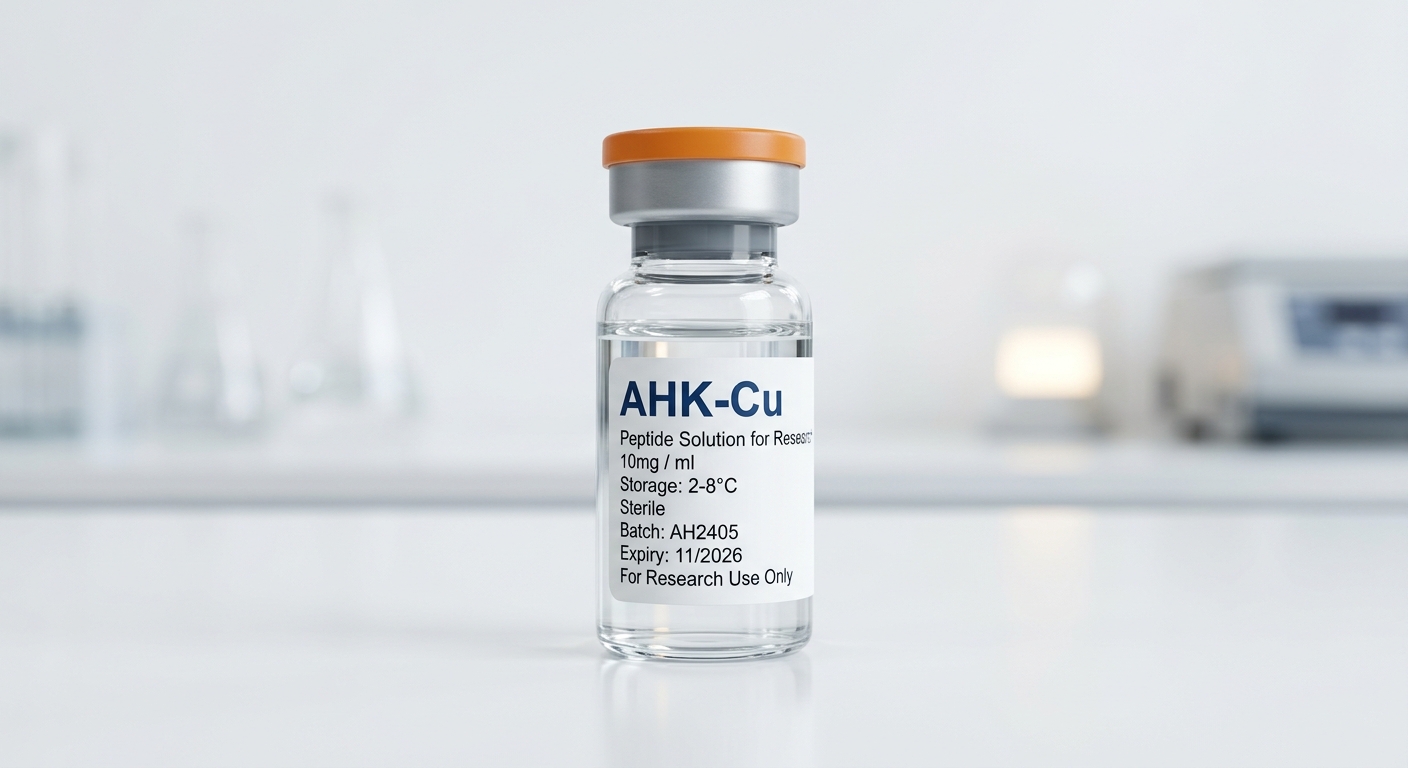
AHK-Cu
Copper-binding tripeptide (Ala-His-Lys-Cu2+) with structural similarity to GHK-Cu. Primarily studied for hair follicle stimulation, scalp vascularity, and
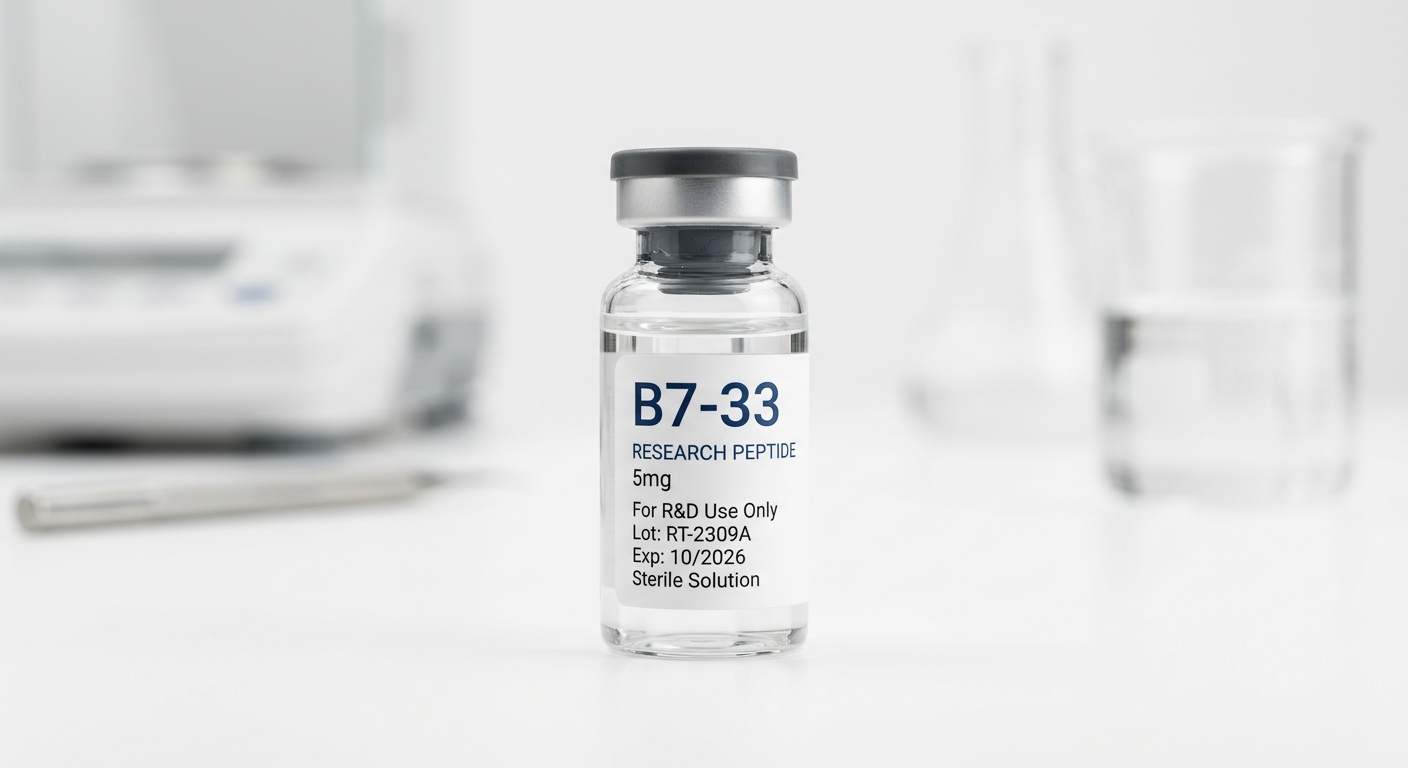
B7-33
Single-chain relaxin B-chain analog targeting the RXFP1 receptor. Studied for anti-fibrotic effects in cardiac, renal, and pulmonary fibrosis models without
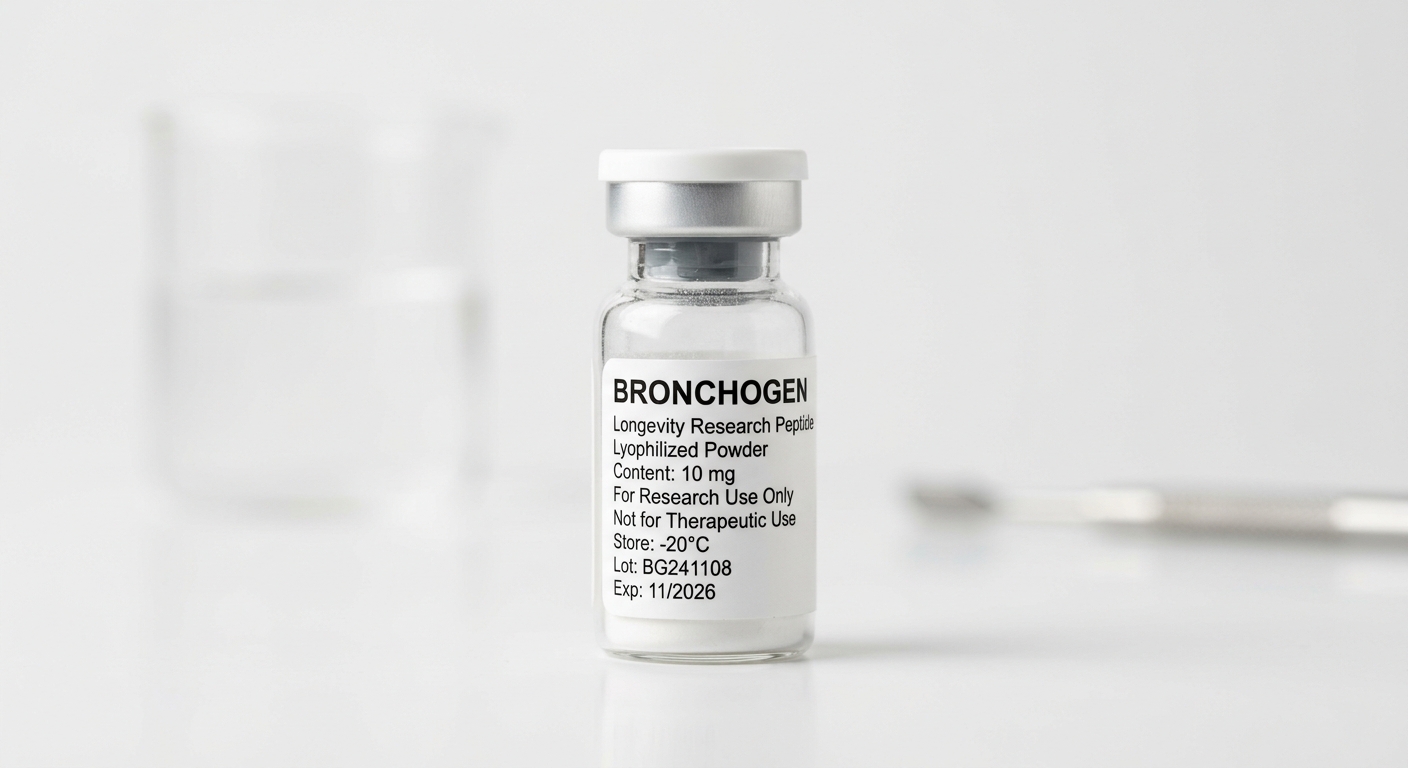
Bronchogen
Peptide bioregulator developed by Vladimir Khavinson targeting lung tissue. Studied for organ-specific gene expression normalisation and age-related functional

Cardiogen
Peptide bioregulator developed by Vladimir Khavinson targeting heart tissue. Studied for organ-specific gene expression normalisation and age-related
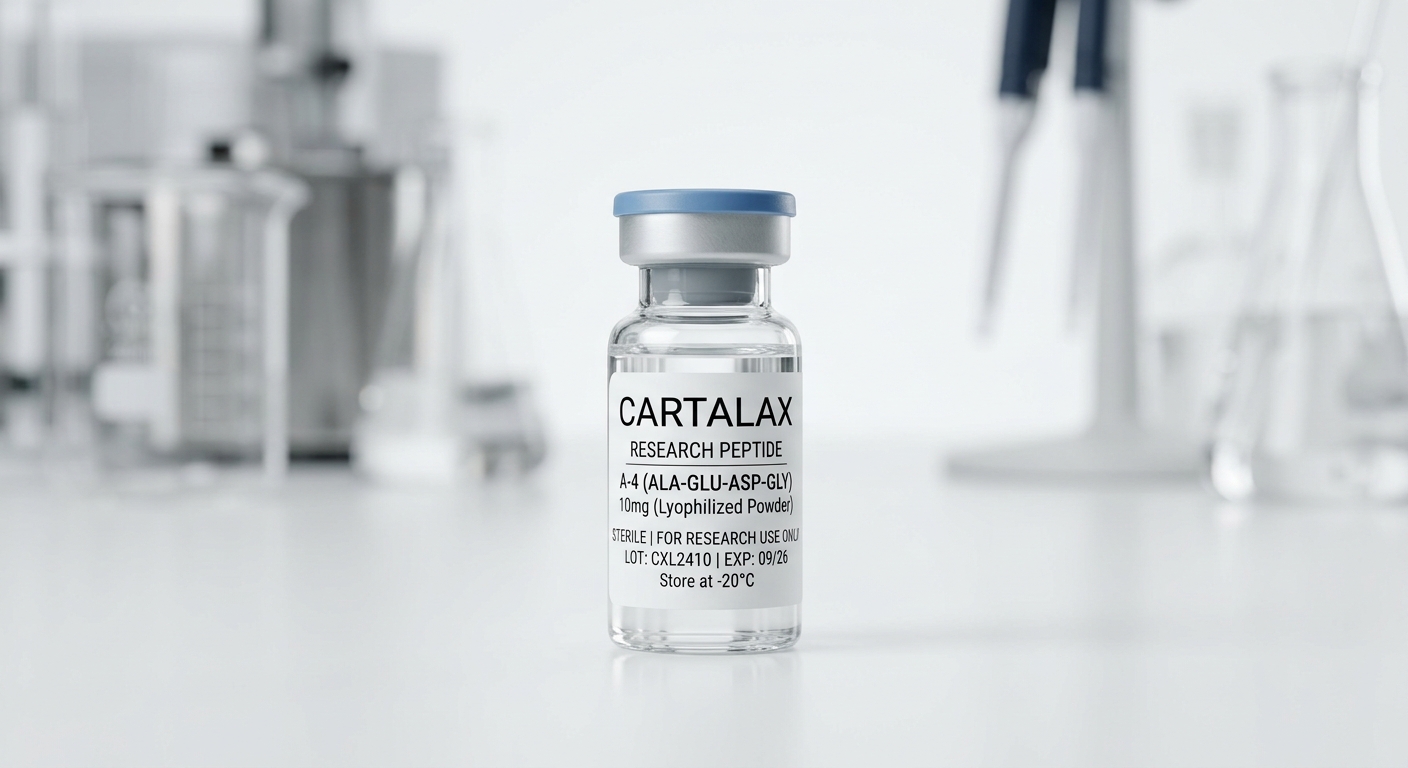
Cartalax
Peptide bioregulator developed by Vladimir Khavinson targeting cartilage tissue. Studied for organ-specific gene expression normalisation and age-related
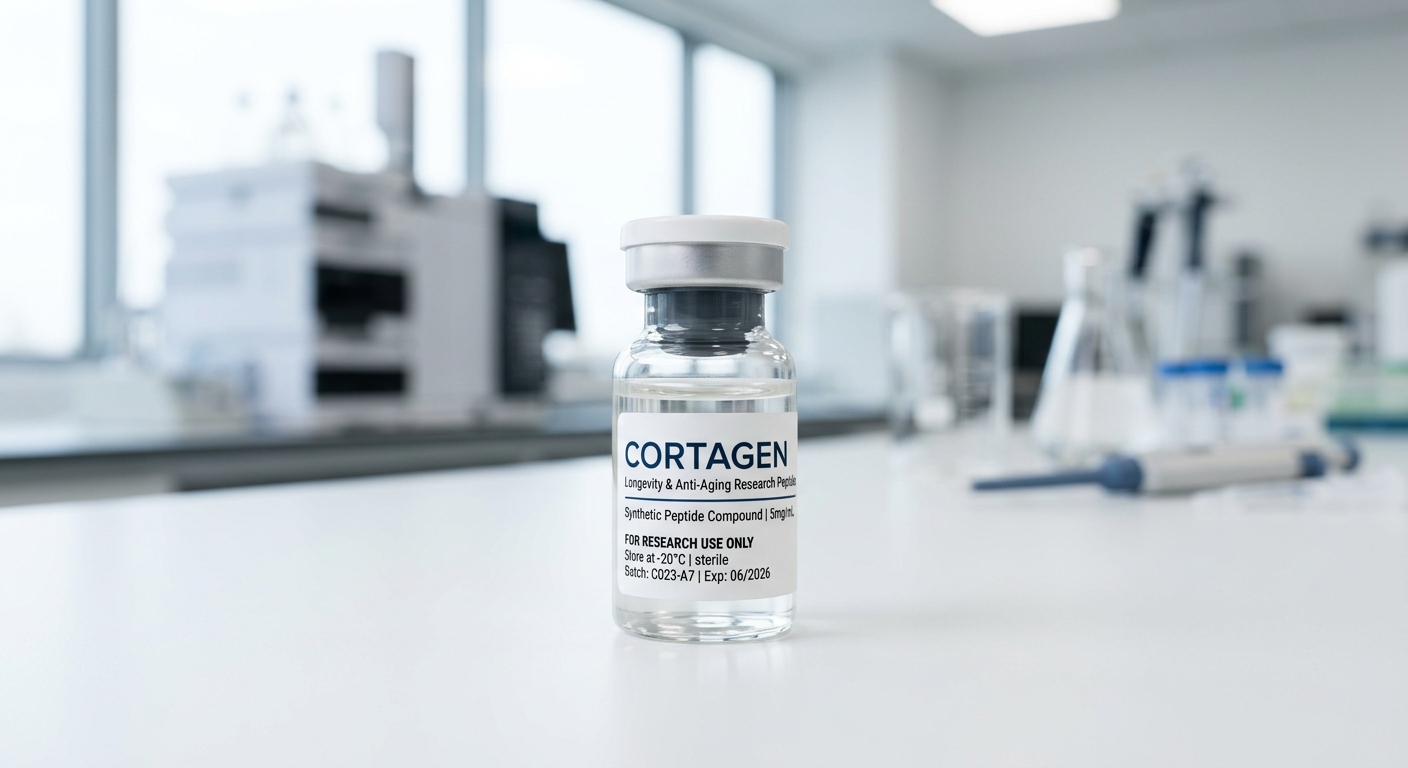
Cortagen
Peptide bioregulator developed by Vladimir Khavinson targeting nervous system tissue. Studied for organ-specific gene expression normalisation and age-related
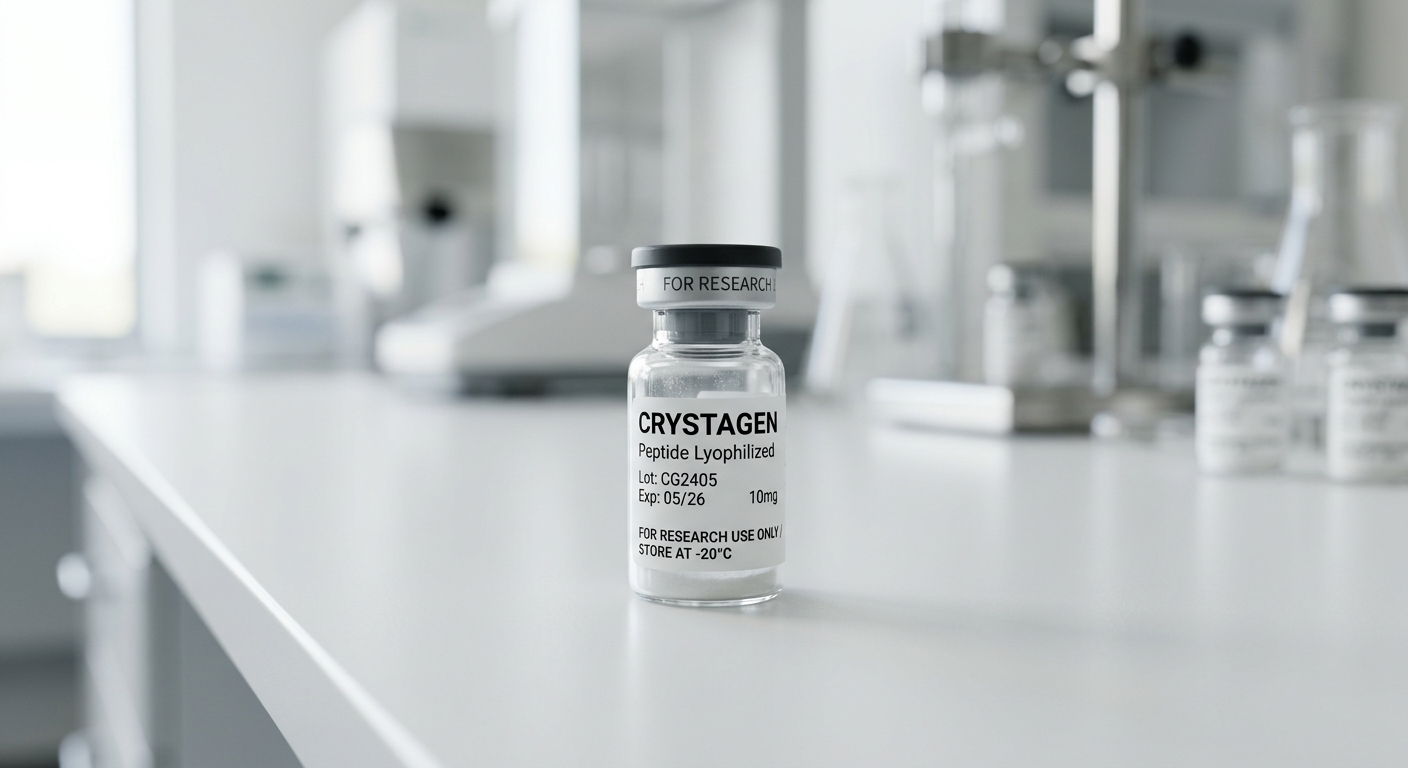
Crystagen
Peptide bioregulator developed by Vladimir Khavinson targeting connective tissue tissue. Studied for organ-specific gene expression normalisation and
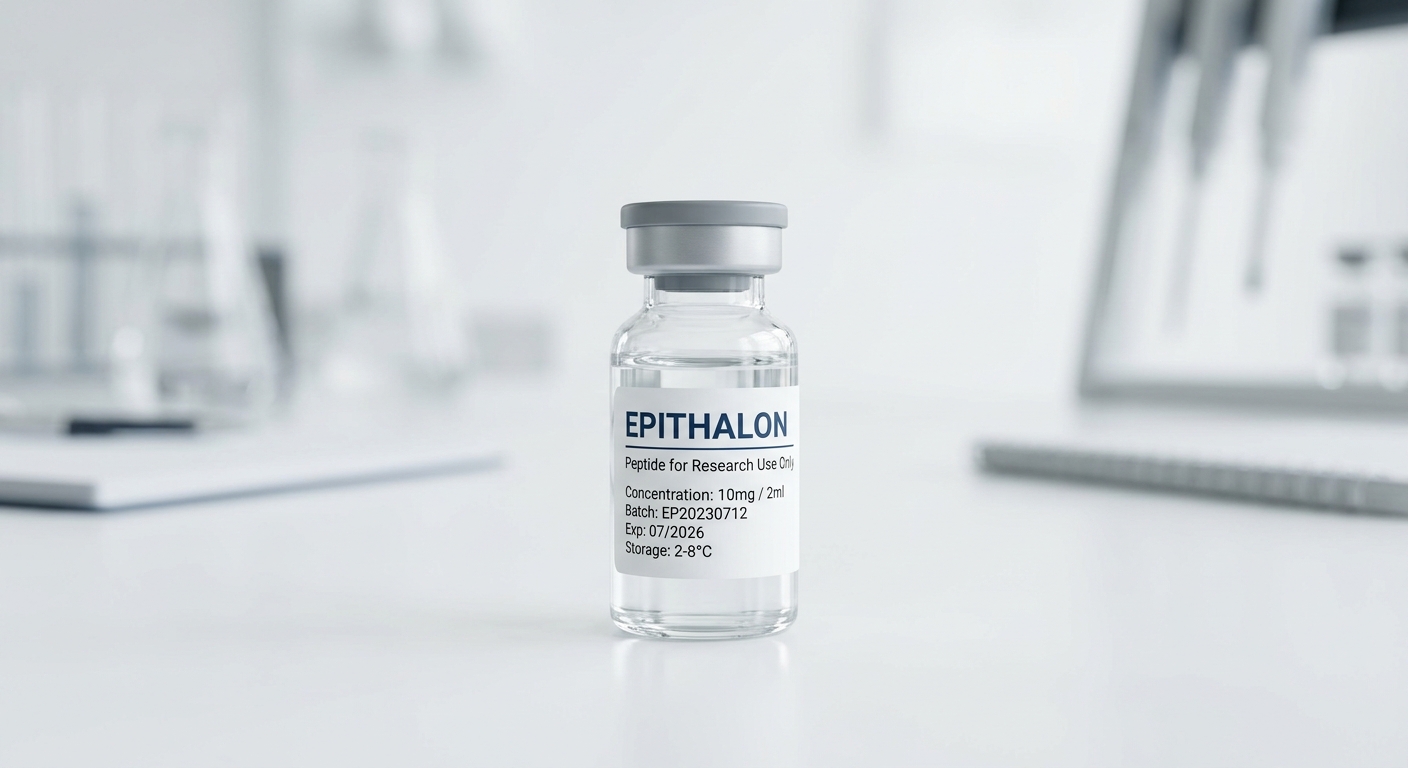
Epithalon
Synthetic tetrapeptide (Ala-Glu-Asp-Gly) derived from the pineal gland. Studied for telomerase activation, telomere elongation, and lifespan extension in
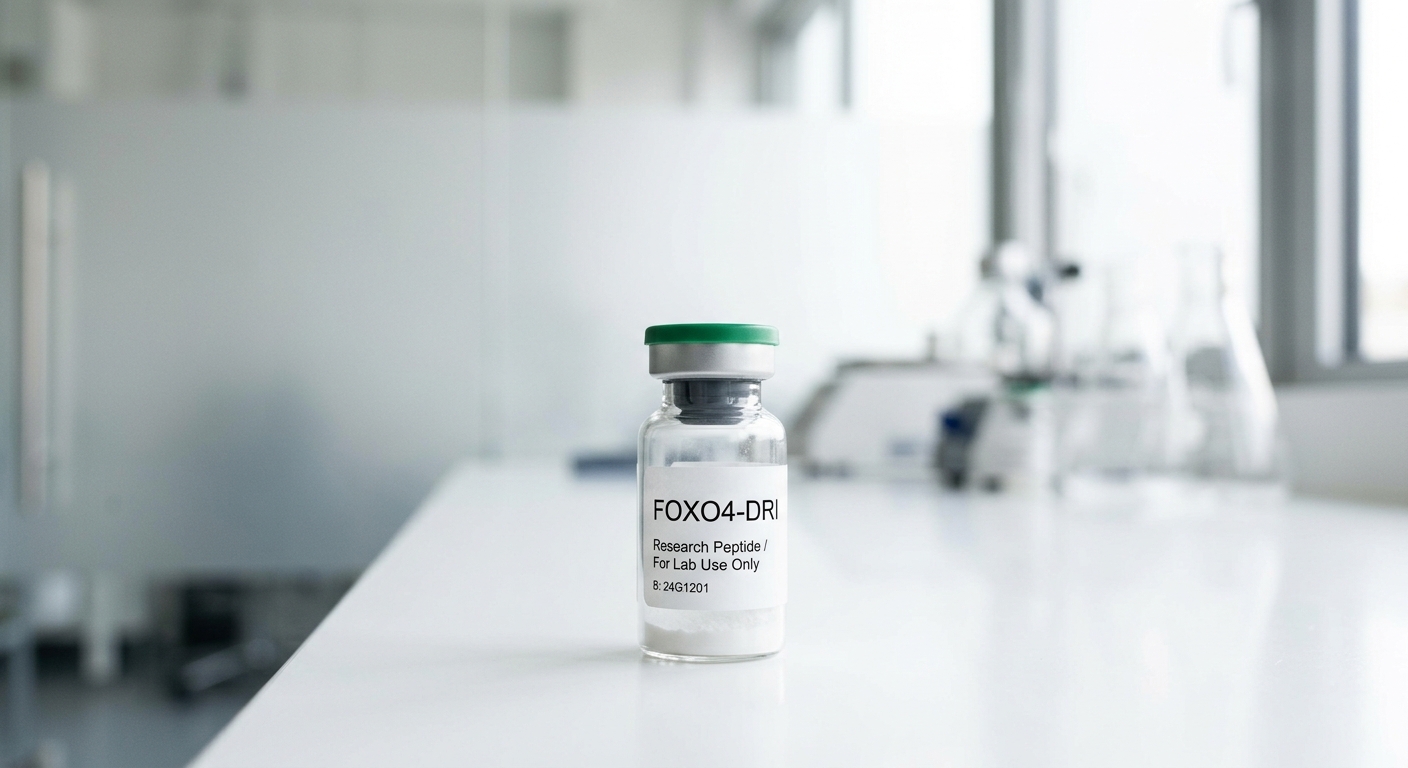
FOXO4-DRI
D-retro-inverso peptide that disrupts FOXO4-p53 interaction in senescent cells, selectively triggering apoptosis of senescent cells without harming
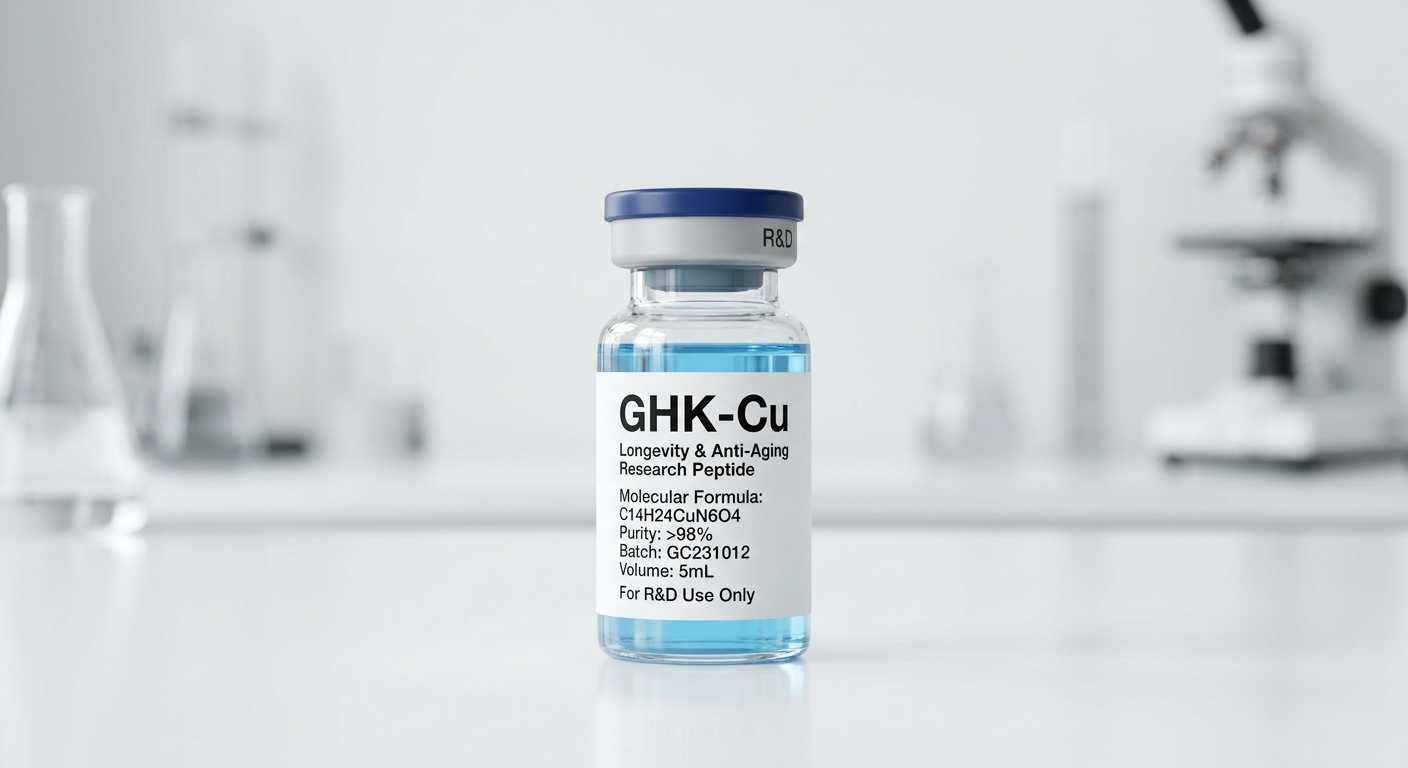
GHK-Cu
Naturally occurring copper-binding tripeptide (Gly-His-Lys-Cu2+) present in human plasma. Plasma levels decline 60% between ages 20-60. Studied for collagen
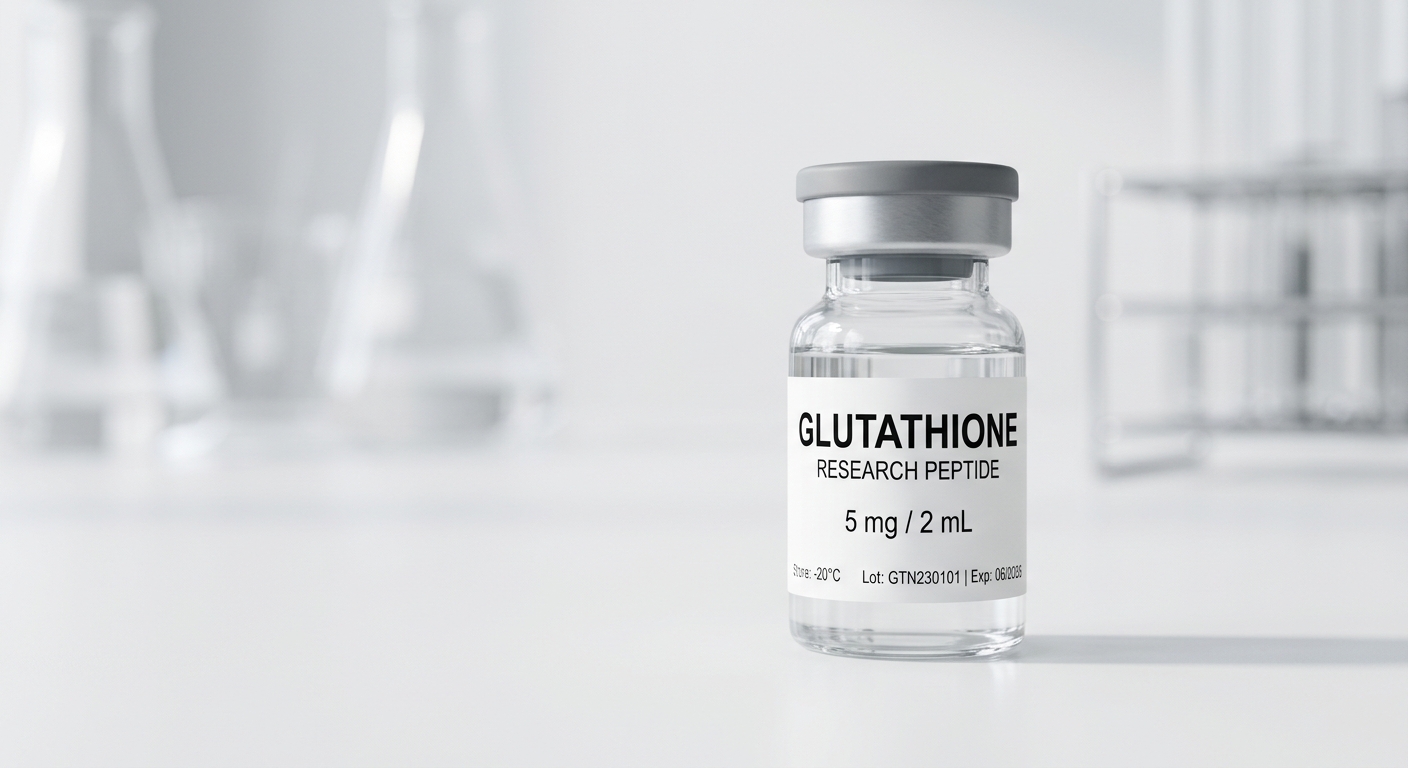
Glutathione
Endogenous tripeptide (Glu-Cys-Gly) and principal intracellular antioxidant. Injectable formulations achieve plasma levels not possible orally. Studied for
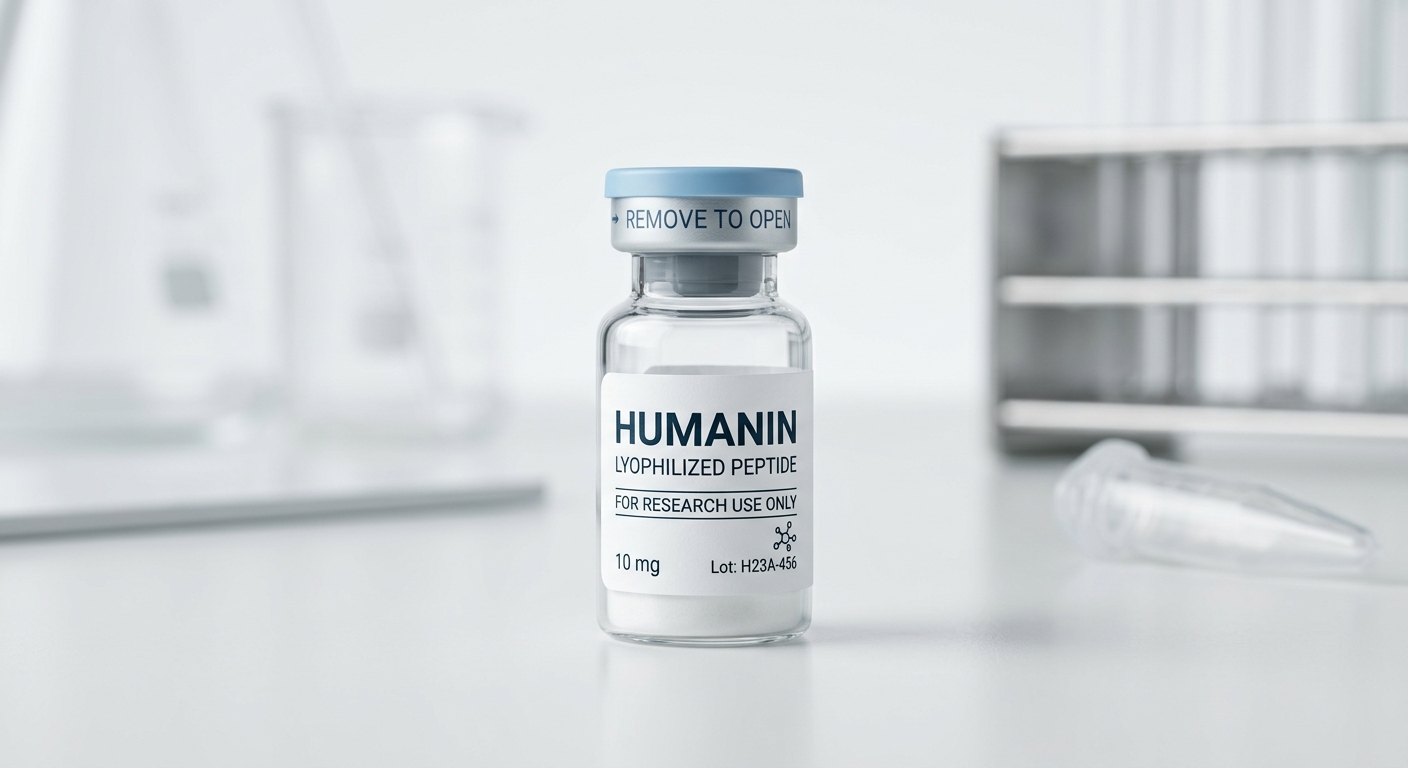
Humanin
Mitochondrially-encoded peptide with neuroprotective and metabolic effects. Circulating levels correlate positively with longevity in centenarian studies
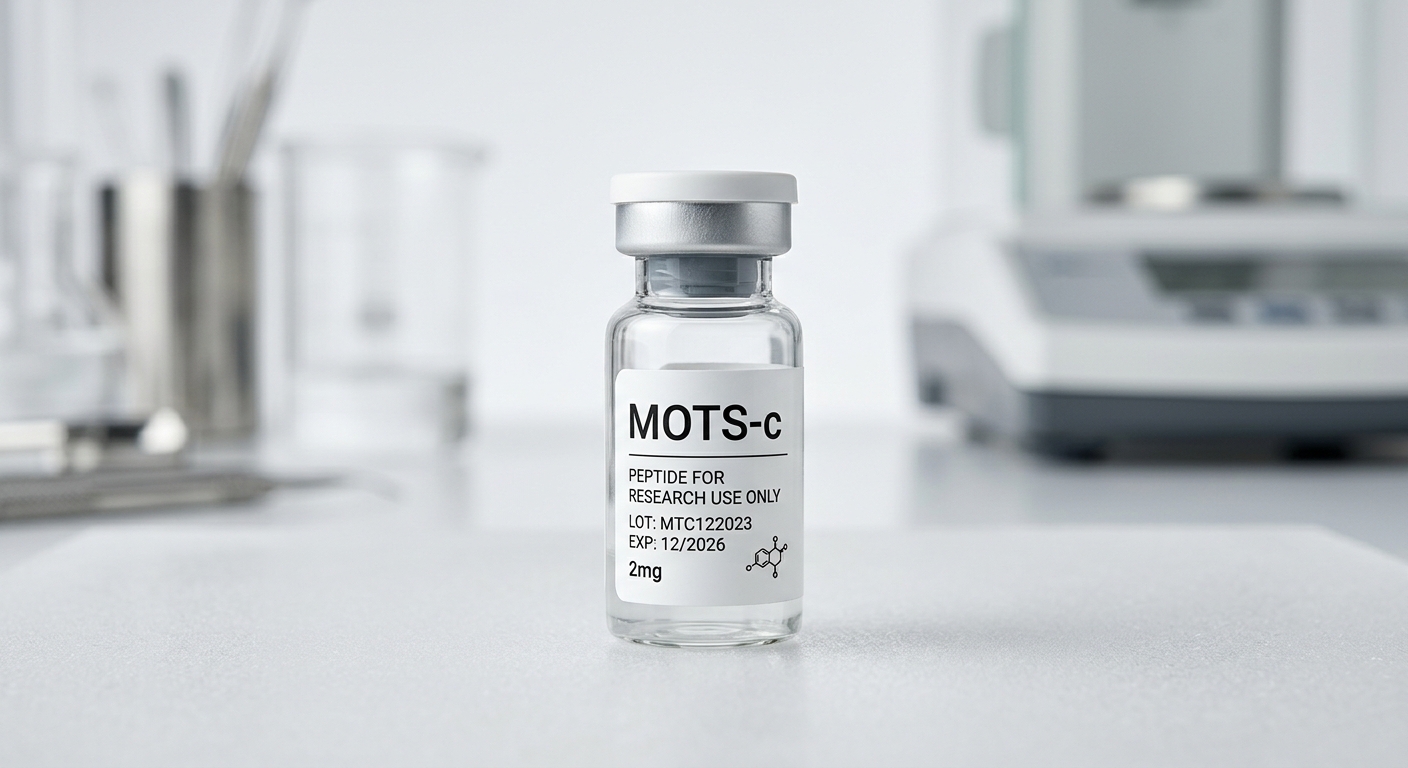
MOTS-c
16-amino acid mitochondria-derived peptide that activates AMPK and suppresses the folate cycle. Studied for metabolic regulation, insulin sensitivity, and
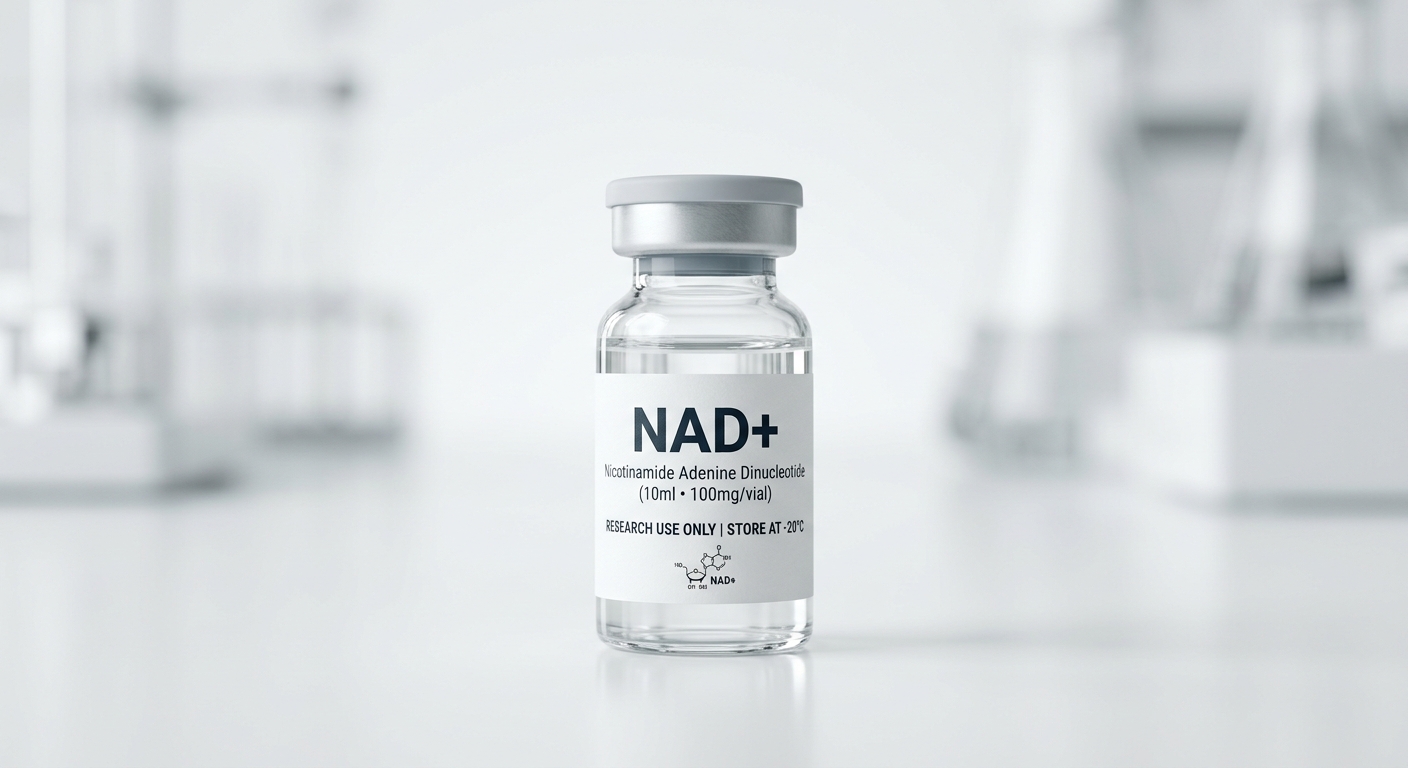
NAD+
Nicotinamide adenine dinucleotide coenzyme found in every living cell. Substrate for sirtuins and PARP enzymes; declines with age. Studied for metabolic
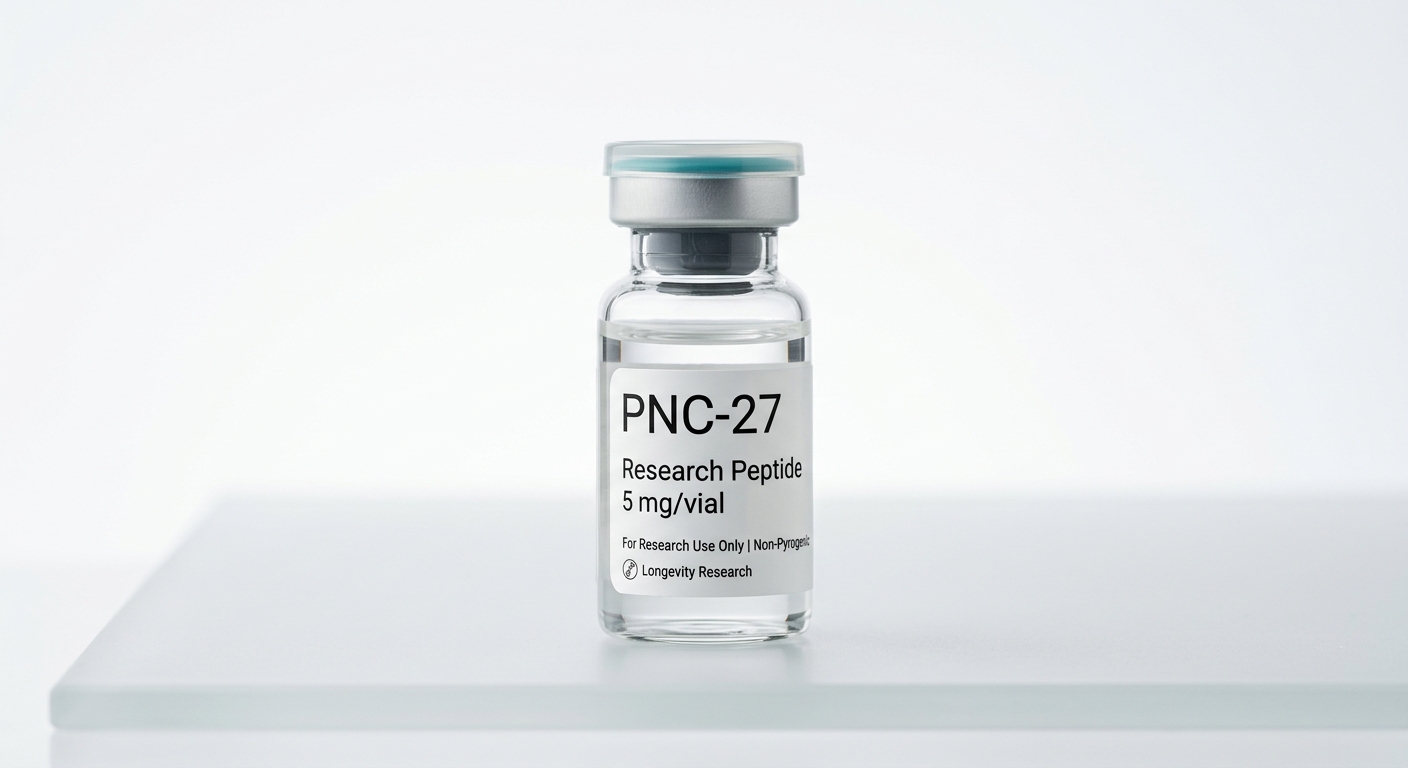
PNC-27
Penetratin-linked peptide corresponding to the p53 MDM2-binding domain. Studied for selective induction of apoptosis in cancer cells expressing
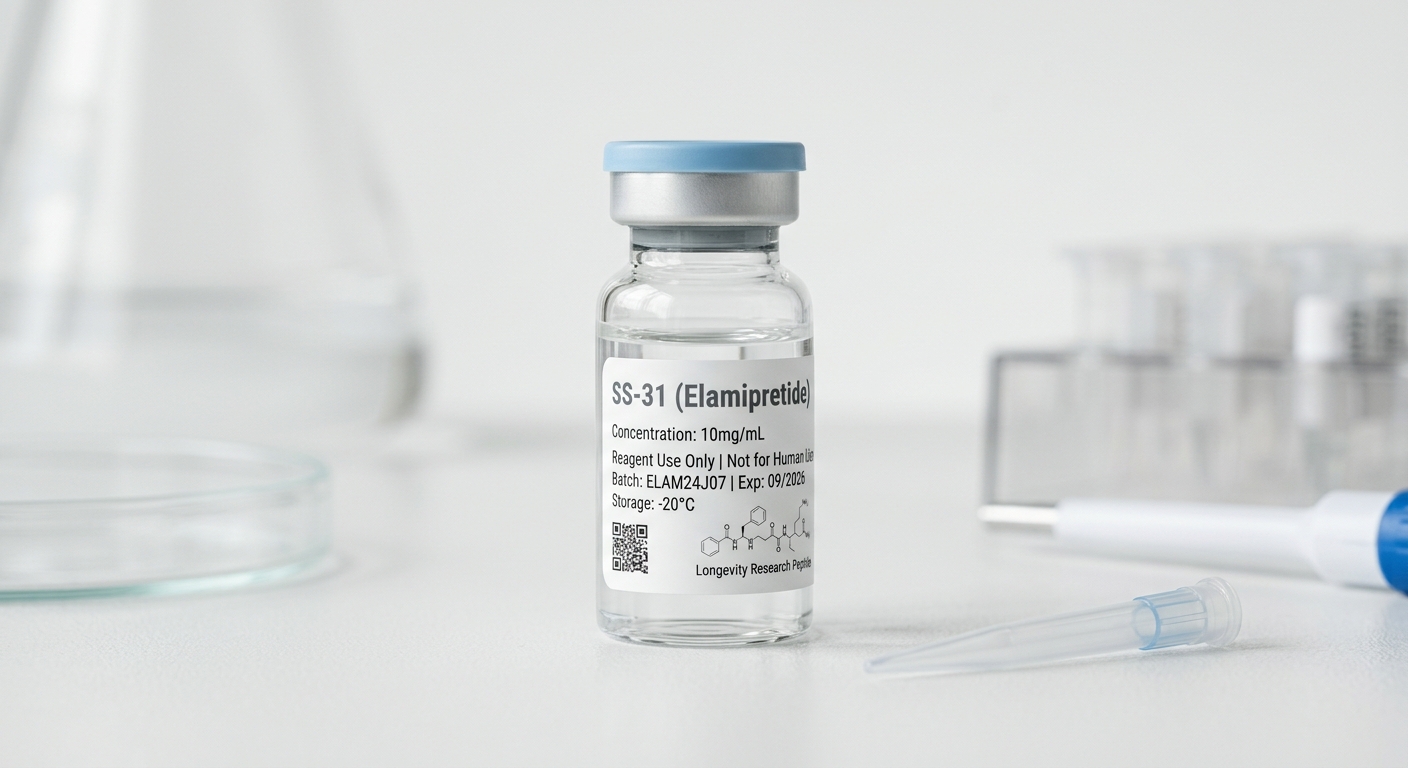
SS-31 (Elamipretide)
Aromatic-cationic tetrapeptide (D-Arg-Dmt-Lys-Phe-NH2) that selectively targets the inner mitochondrial membrane. Studied for cardioprotection, mitochondrial
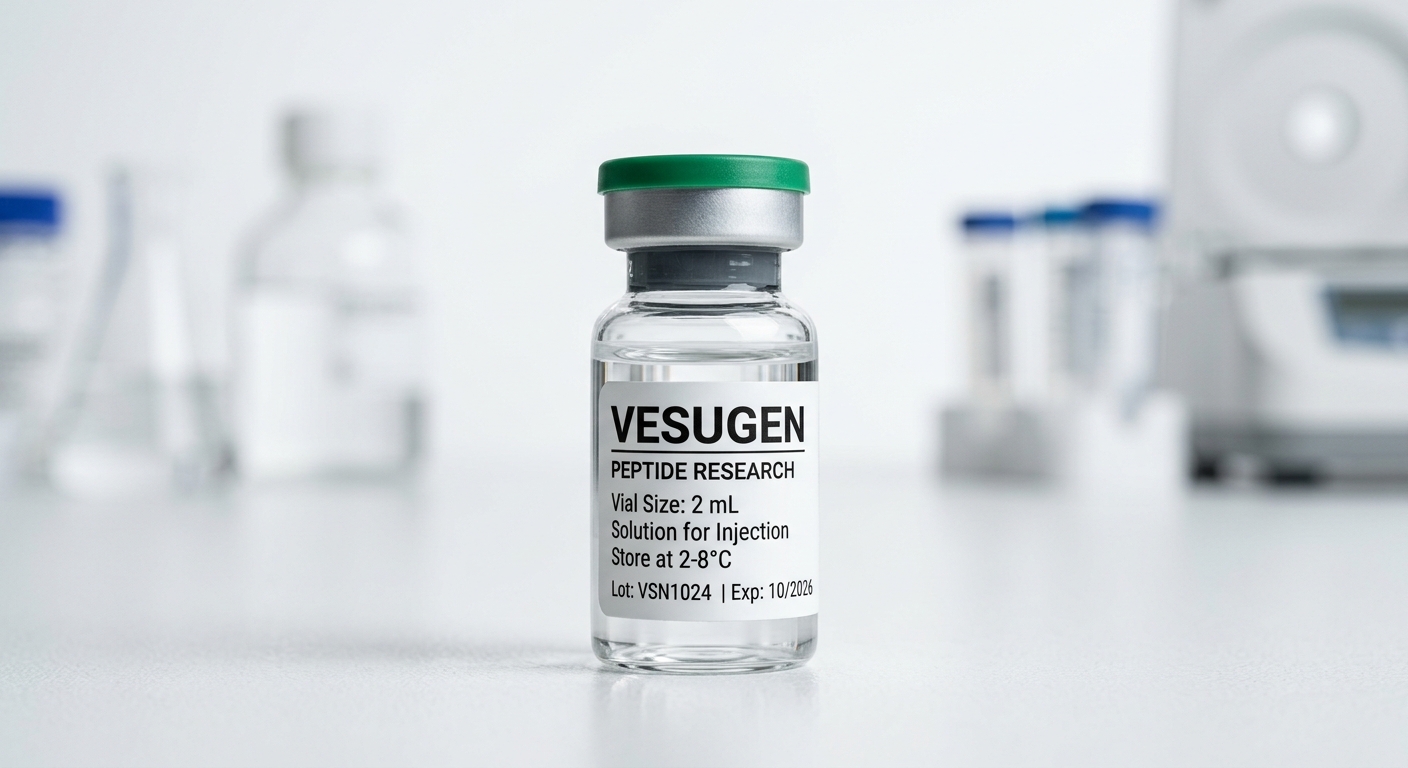
Vesugen
Peptide bioregulator developed by Vladimir Khavinson targeting vascular tissue. Studied for organ-specific gene expression normalisation and age-related
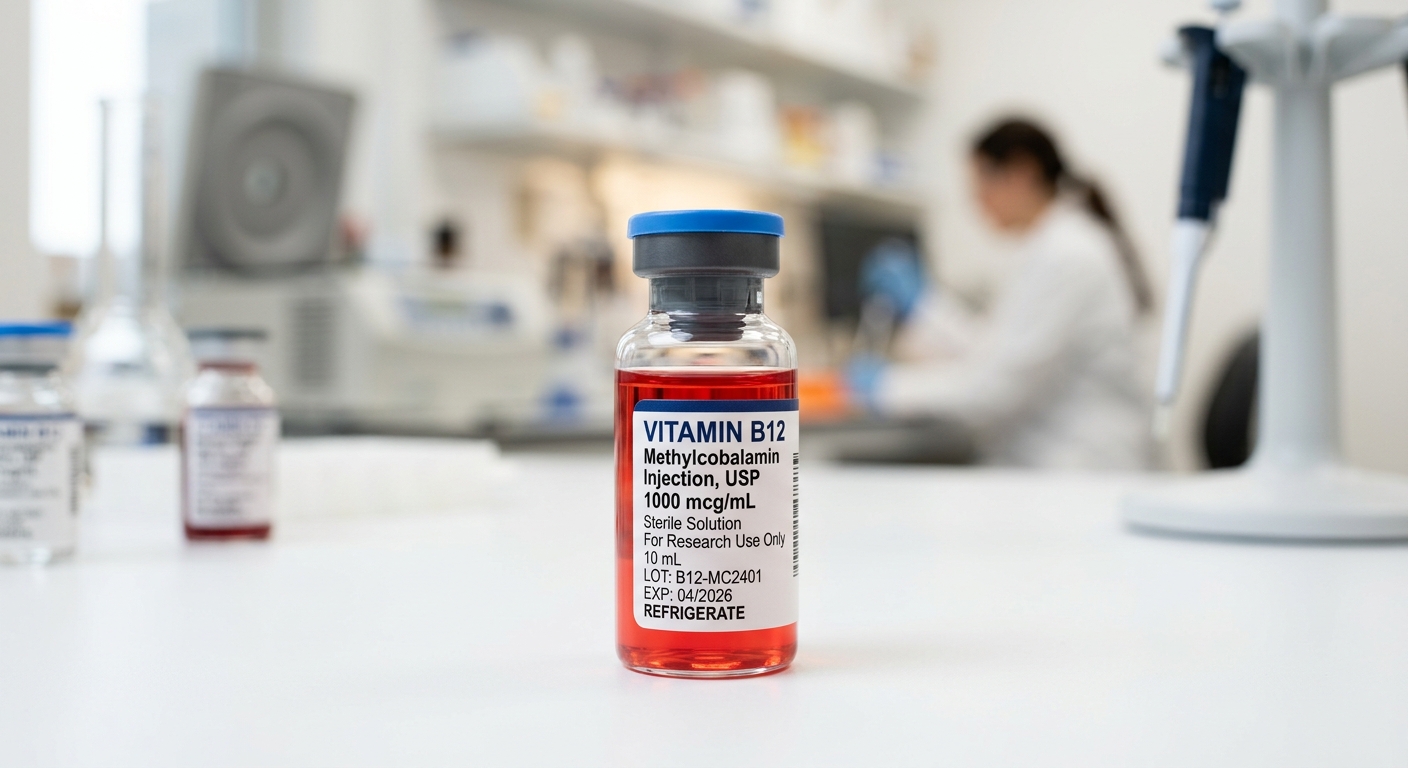
Vitamin B12 (Methylcobalamin)
Injectable methylcobalamin (active form of Vitamin B12). Bypasses gut absorption limitations. Studied for neurological function, methylation cycle support