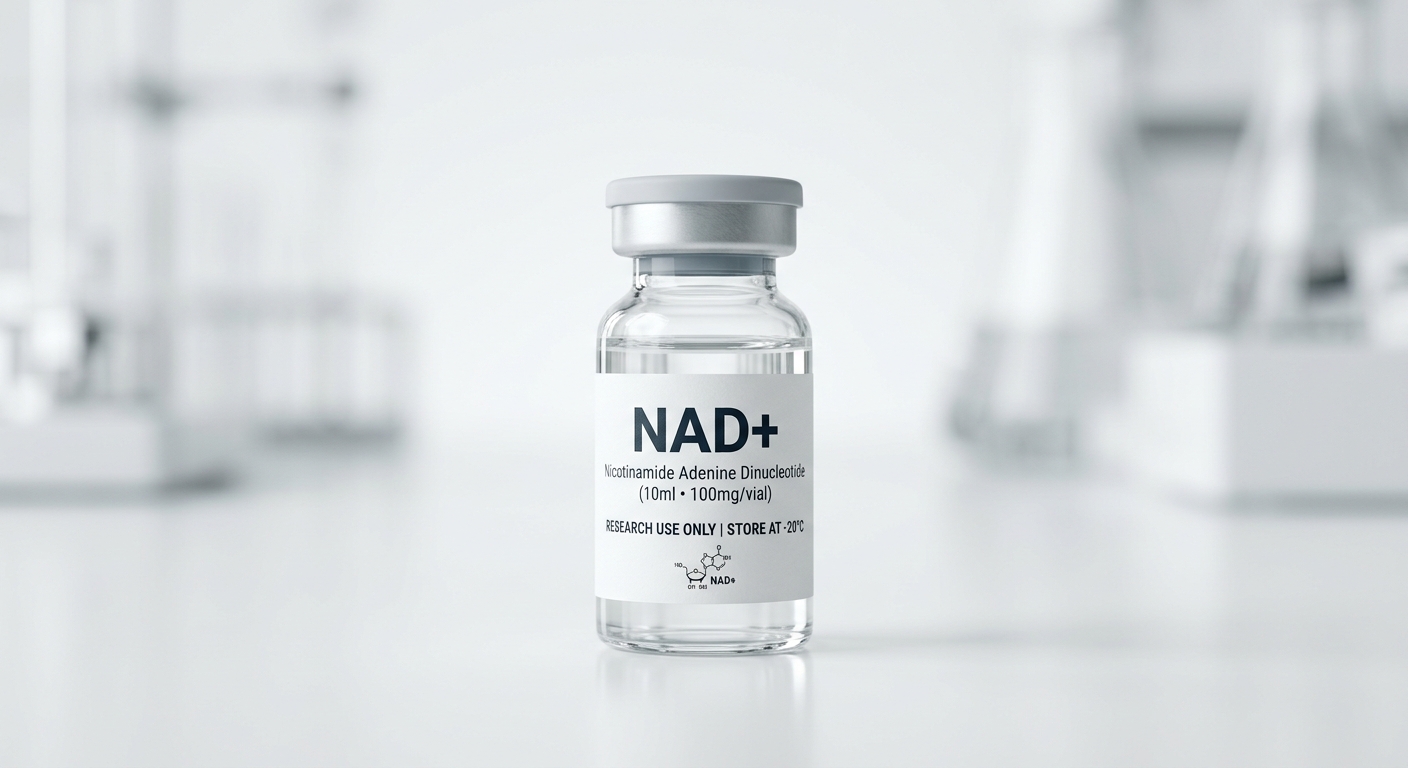
NAD+
Nicotinamide adenine dinucleotide coenzyme found in every living cell. Substrate for sirtuins and PARP enzymes; declines with age. Studied for metabolic
Buy more, save more
Total Price
$35
For research & laboratory use only. Not for human consumption.
Half-Life
Short (intracellular conversion from NMN/NR precursors)
Administration Route
IV infusion or subcutaneous injection
Sirtuin Activation
Fuels SIRT1/3/5 for epigenetic repair and metabolic health
Hallmark of Aging
NAD+ declines 50% between age 40-60; restoration is anti-aging
PARP DNA Repair
Essential cofactor for poly(ADP-ribose) polymerase DNA repair
Effect Profile
Cellular Longevity
Collagen Synthesis
Oxidative Protection
Energy Restoration
Effect Timeline
Energy levels increase; mental clarity improves
Physical endurance increases; muscle recovery faster
Sirtuin activation markers up; oxidative stress decreasing
Sustained energy; DNA repair pathway activity elevated
Start — Week 1
Energy levels increase; mental clarity improves
Week 2
Physical endurance increases; muscle recovery faster
Week 4
Sirtuin activation markers up; oxidative stress decreasing
Week 8
Sustained energy; DNA repair pathway activity elevated
Mechanism of Action
Scientific Research
Nature Reviews Molecular Cell Biology (2021)
Cell Metabolism (2015)
Product FAQs
Stacks Well With
Epithalon
Synthetic tetrapeptide (Ala-Glu-Asp-Gly) derived from the pineal gland. Studied for telomerase activation, telomere elongation, and lifespan extension in
GHK-Cu
Naturally occurring copper-binding tripeptide (Gly-His-Lys-Cu2+) present in human plasma. Plasma levels decline 60% between ages 20-60. Studied for collagen
Related Products
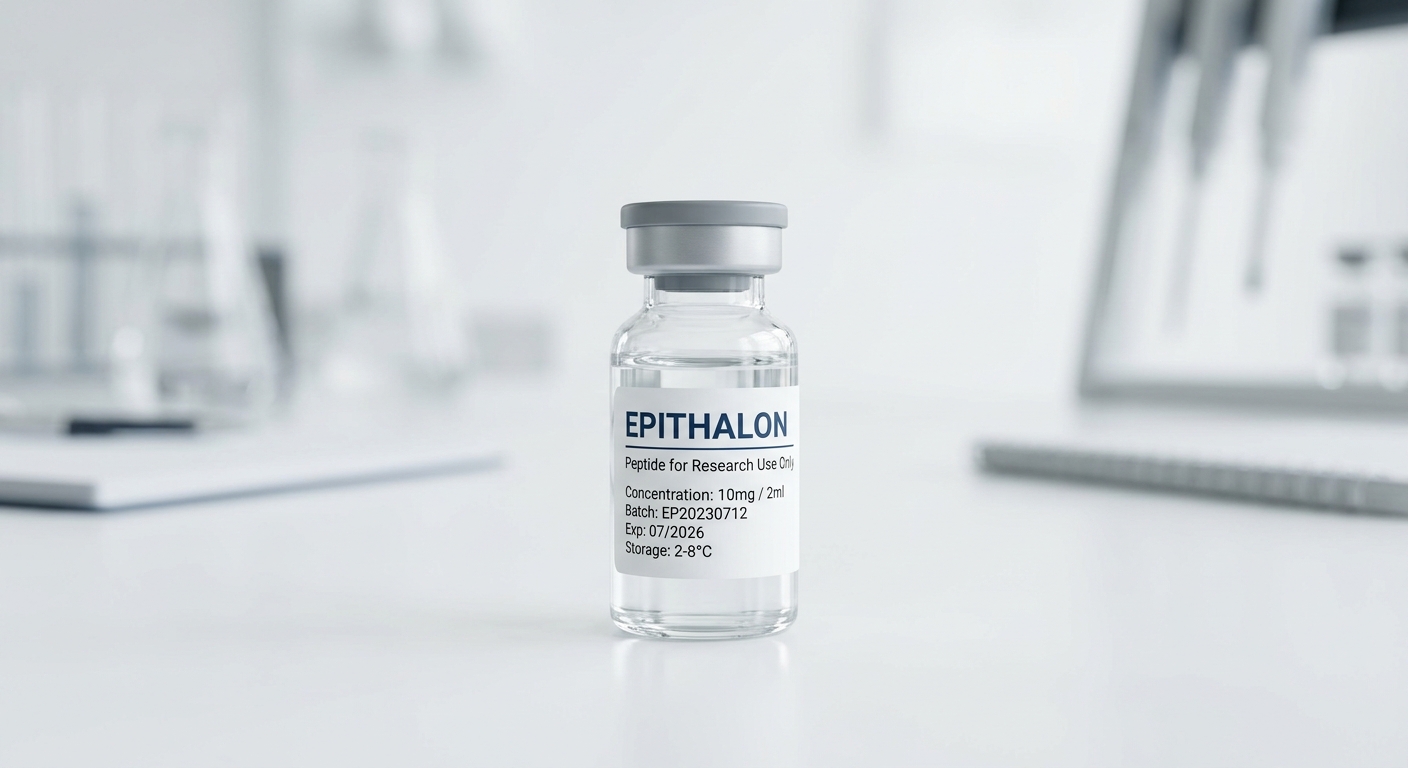
Epithalon
Synthetic tetrapeptide (Ala-Glu-Asp-Gly) derived from the pineal gland. Studied for telomerase activation, telomere elongation, and lifespan extension in
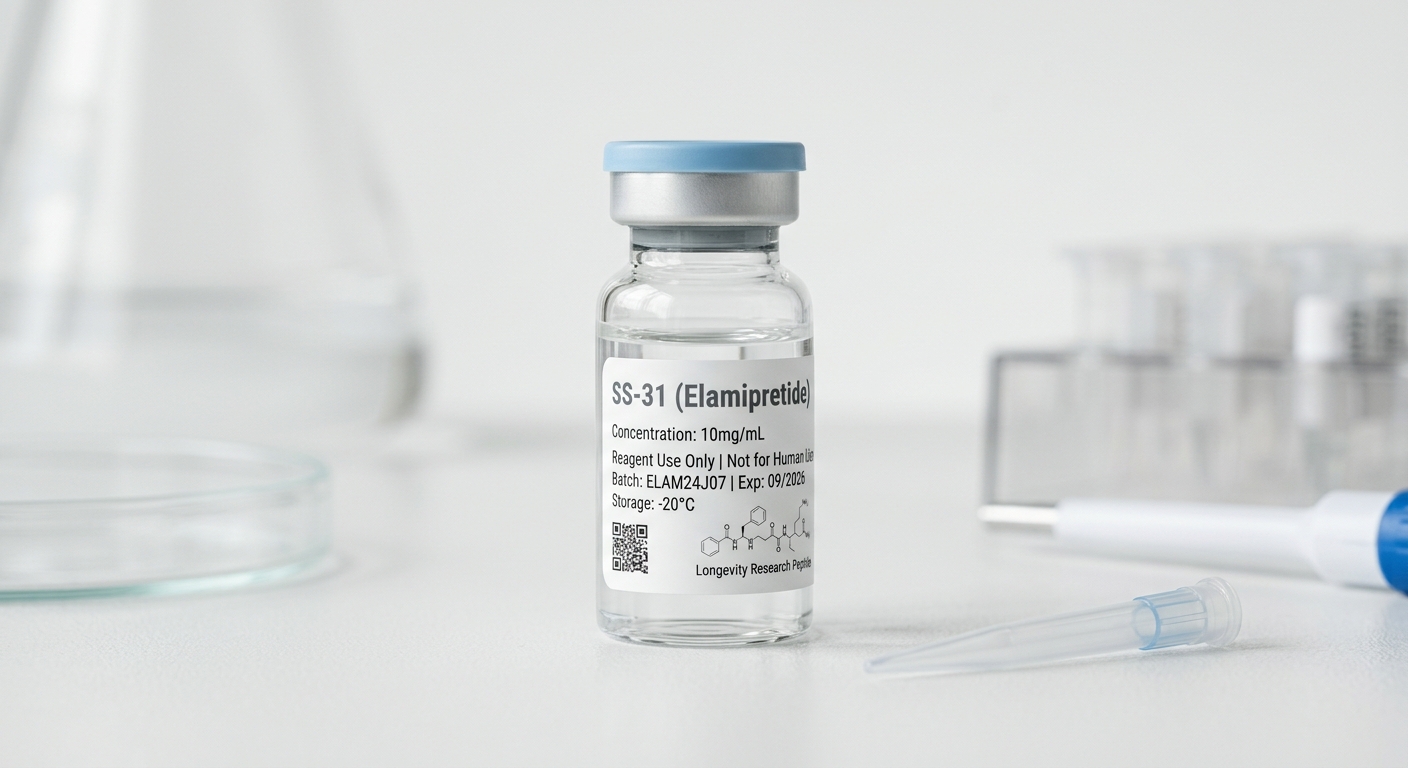
SS-31 (Elamipretide)
Aromatic-cationic tetrapeptide (D-Arg-Dmt-Lys-Phe-NH2) that selectively targets the inner mitochondrial membrane. Studied for cardioprotection, mitochondrial
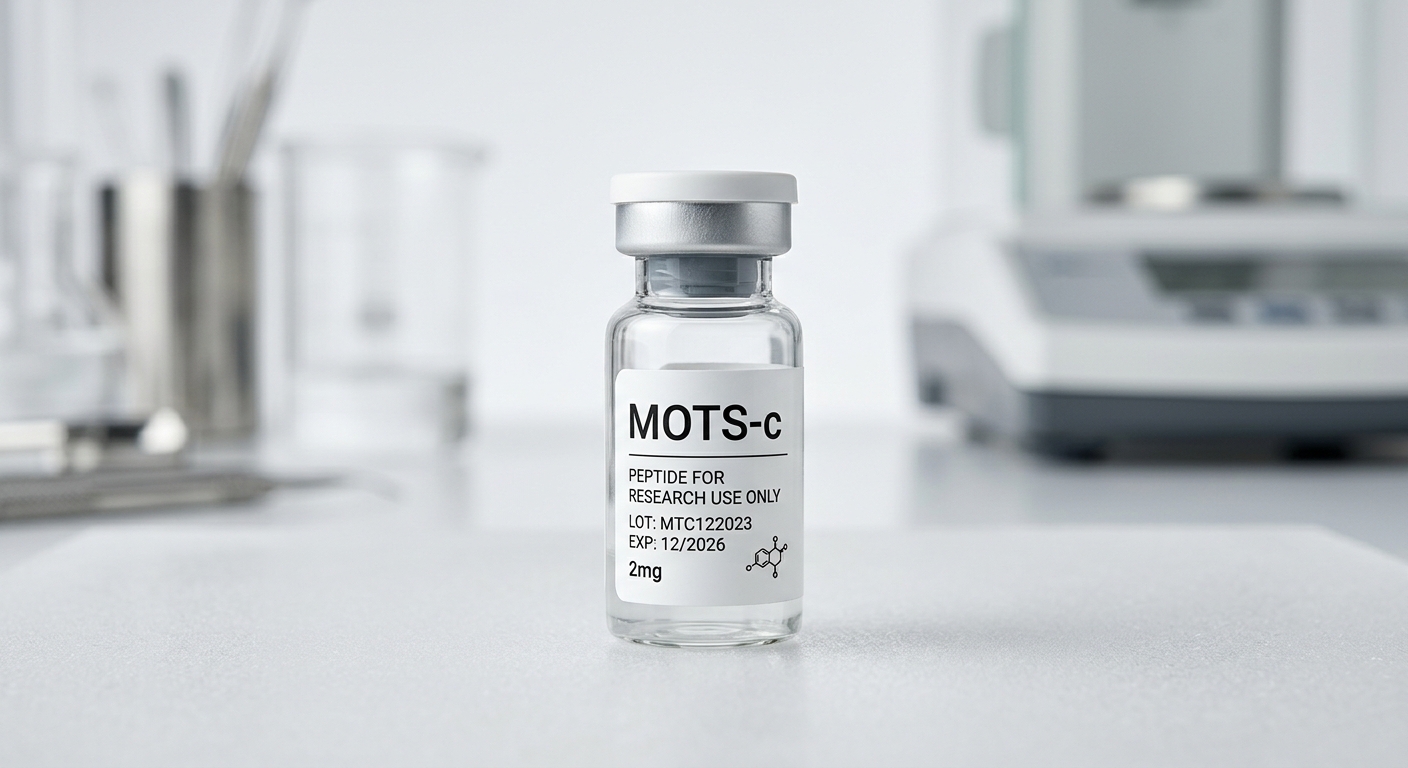
MOTS-c
16-amino acid mitochondria-derived peptide that activates AMPK and suppresses the folate cycle. Studied for metabolic regulation, insulin sensitivity, and
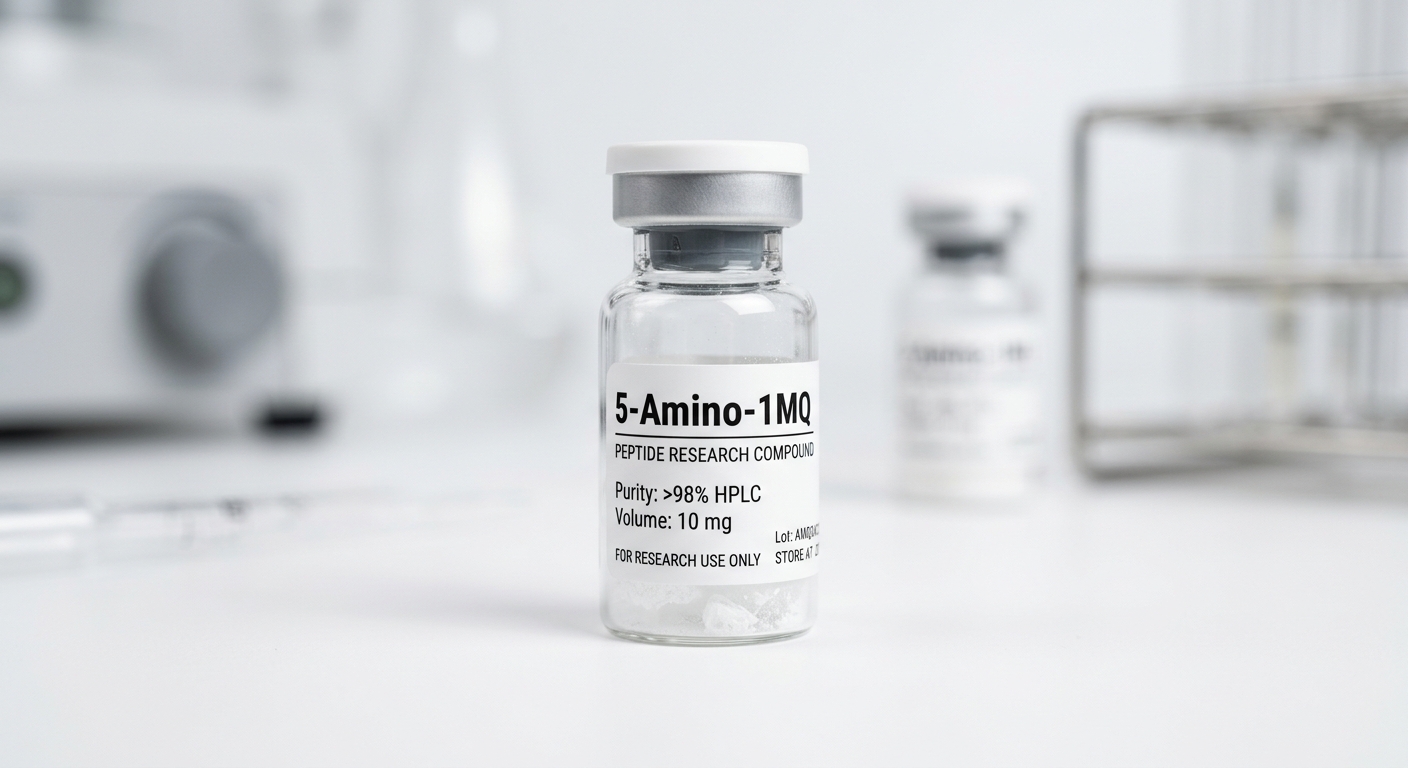
5-Amino-1MQ
Nicotinamide N-methyltransferase (NNMT) inhibitor. Blocks the primary NAD+ consuming pathway outside mitochondria, raising cellular NAD+ levels and activating