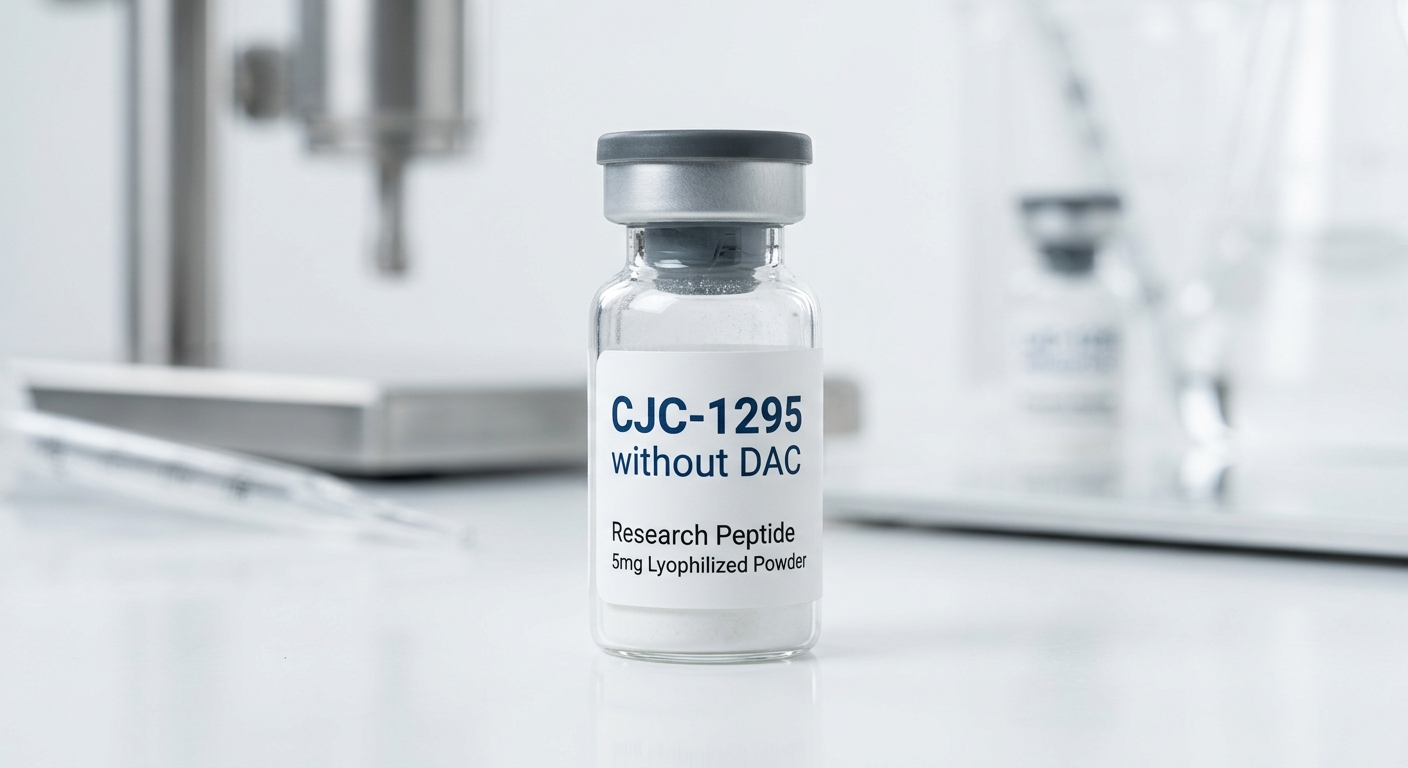
CJC-1295 without DAC
Modified GHRH fragment (Mod GRF 1-29) that produces acute, physiological GH pulses when combined with a GHRP. The standard pairing with ipamorelin for clean GH
Buy more, save more
Total Price
$60
For research & laboratory use only. Not for human consumption.
Half-Life
~30 minutes
Administration Route
Subcutaneous injection
Physiological GH Pulse
Short-acting GHRH analogue mimics natural pulsatile release
No Receptor Desensitisation
Preserves GHRH receptor sensitivity vs DAC version
Flexible Dosing
Multiple daily doses match natural GH rhythms
Effect Profile
Muscle Growth
Fat Oxidation
Recovery Speed
Strength
Mechanism of Action
Scientific Research
Biochem Biophys Res Commun (1988)
Endocrinology (1999)
Product FAQs
Stacks Well With
Ipamorelin
Highly selective growth hormone secretagogue with minimal cortisol or prolactin stimulation, offering clean GH pulses for muscle growth, recovery, and body
CJC-1295 + Ipamorelin Combo
The gold-standard GH secretagogue combination - CJC-1295 (GHRH receptor) and Ipamorelin (ghrelin receptor) producing synergistic, pulsatile GH release 3-5x
GHRP-2
Second-generation GHRP with potent GH-releasing activity and mild ghrelin-like effects on appetite, studied for GH deficiency, muscle preservation, and
IGF-1 LR3
Long-acting IGF-1 analogue with 3x longer half-life than native IGF-1, driving satellite cell activation, nitrogen retention, and protein synthesis for maximal
Related Products
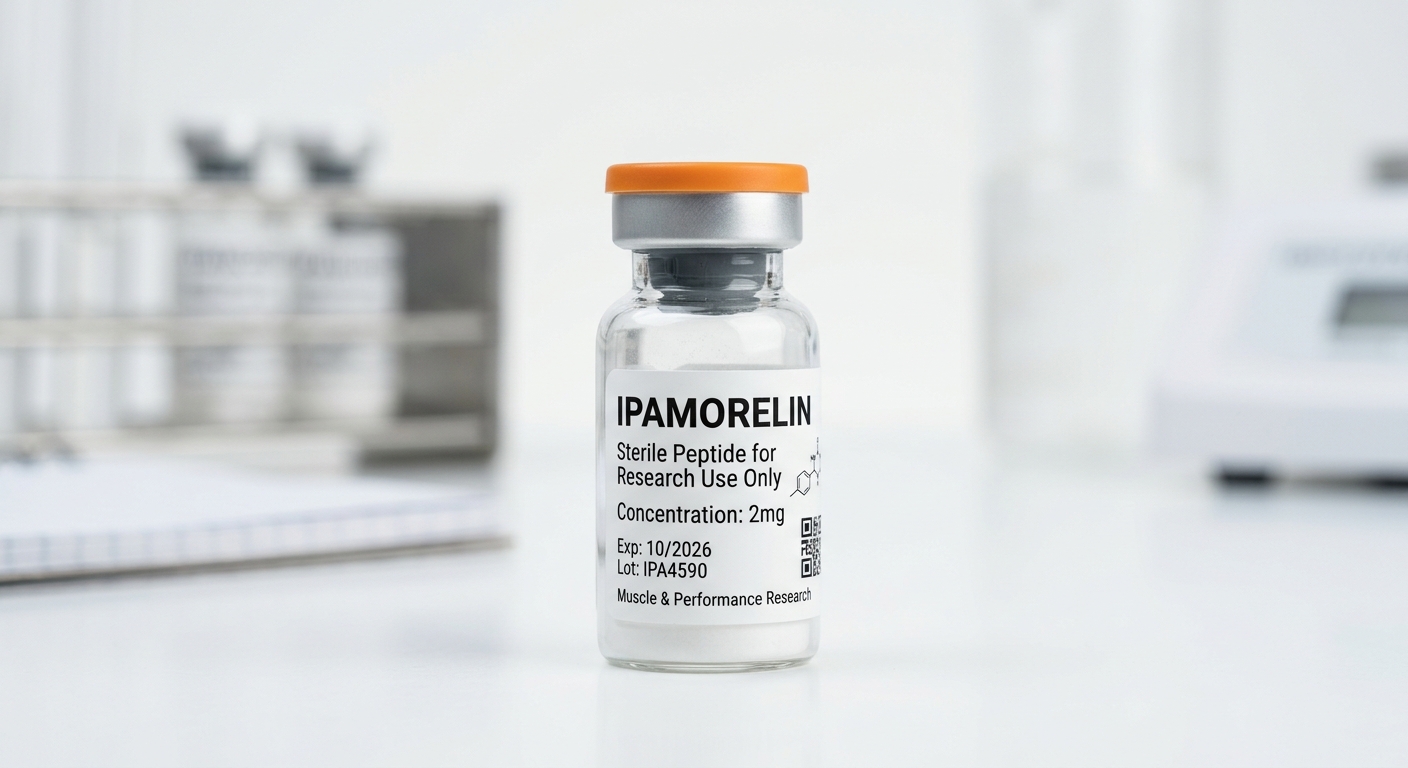
Ipamorelin
Highly selective growth hormone secretagogue with minimal cortisol or prolactin stimulation, offering clean GH pulses for muscle growth, recovery, and body
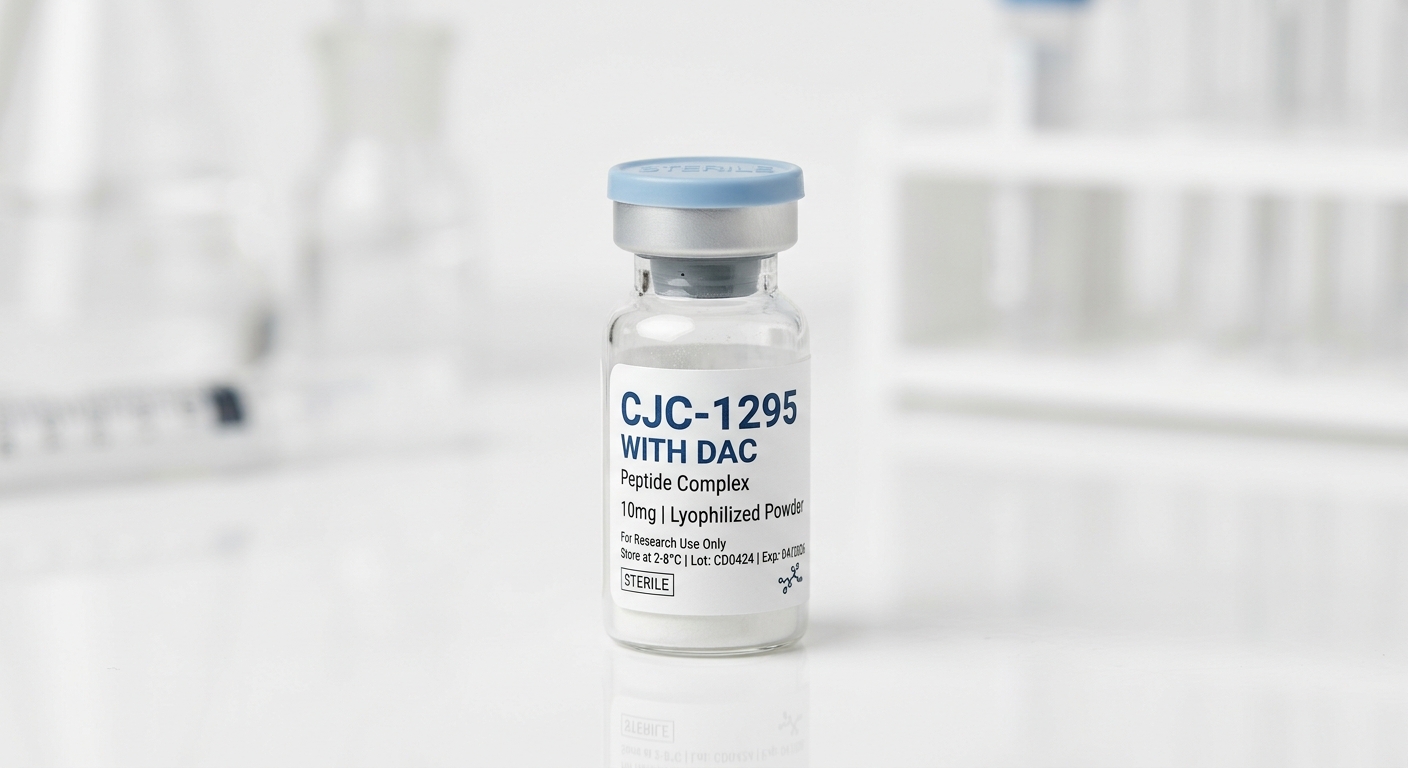
CJC-1295 with DAC
Long-acting GHRH analogue with Drug Affinity Complex technology that binds albumin for a half-life of 6-8 days, sustaining elevated GH and IGF-1 for continuous
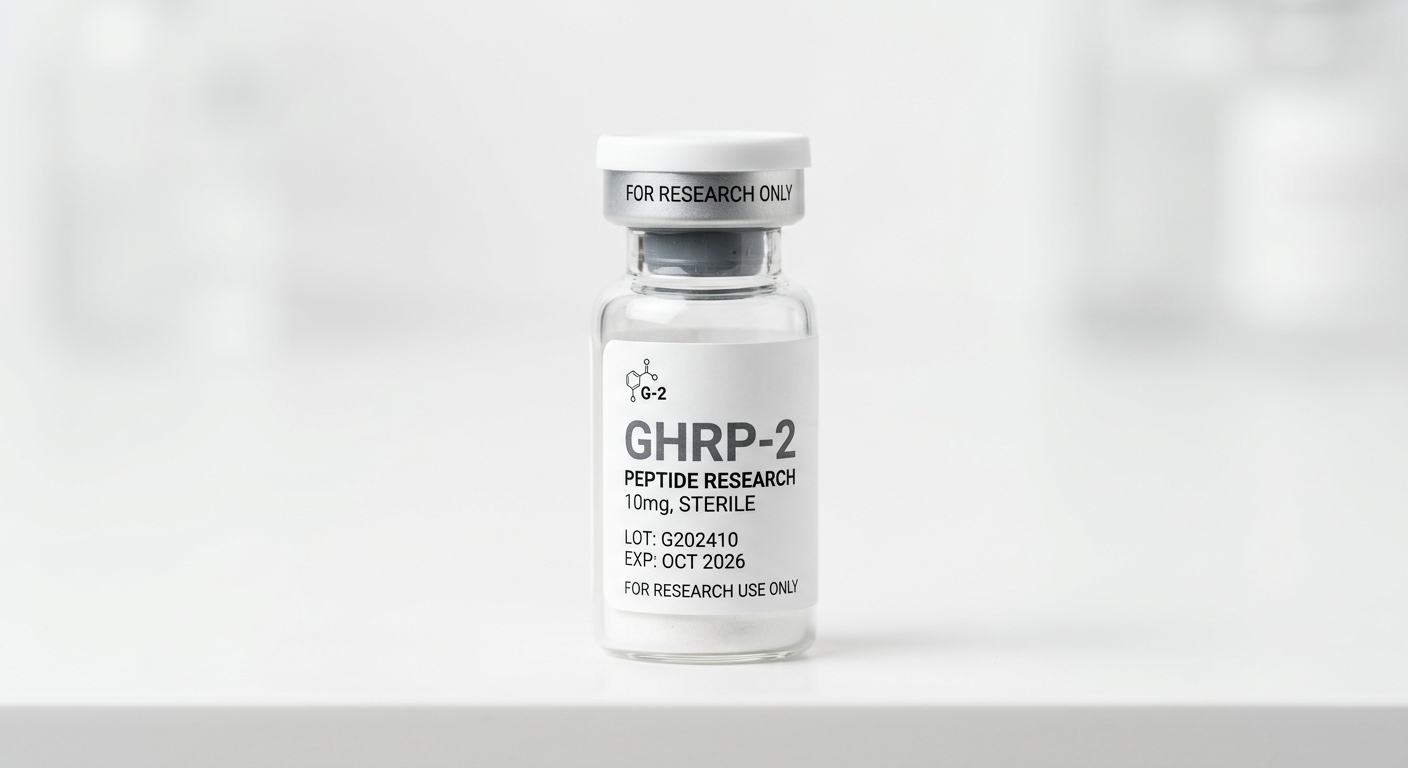
GHRP-2
Second-generation GHRP with potent GH-releasing activity and mild ghrelin-like effects on appetite, studied for GH deficiency, muscle preservation, and
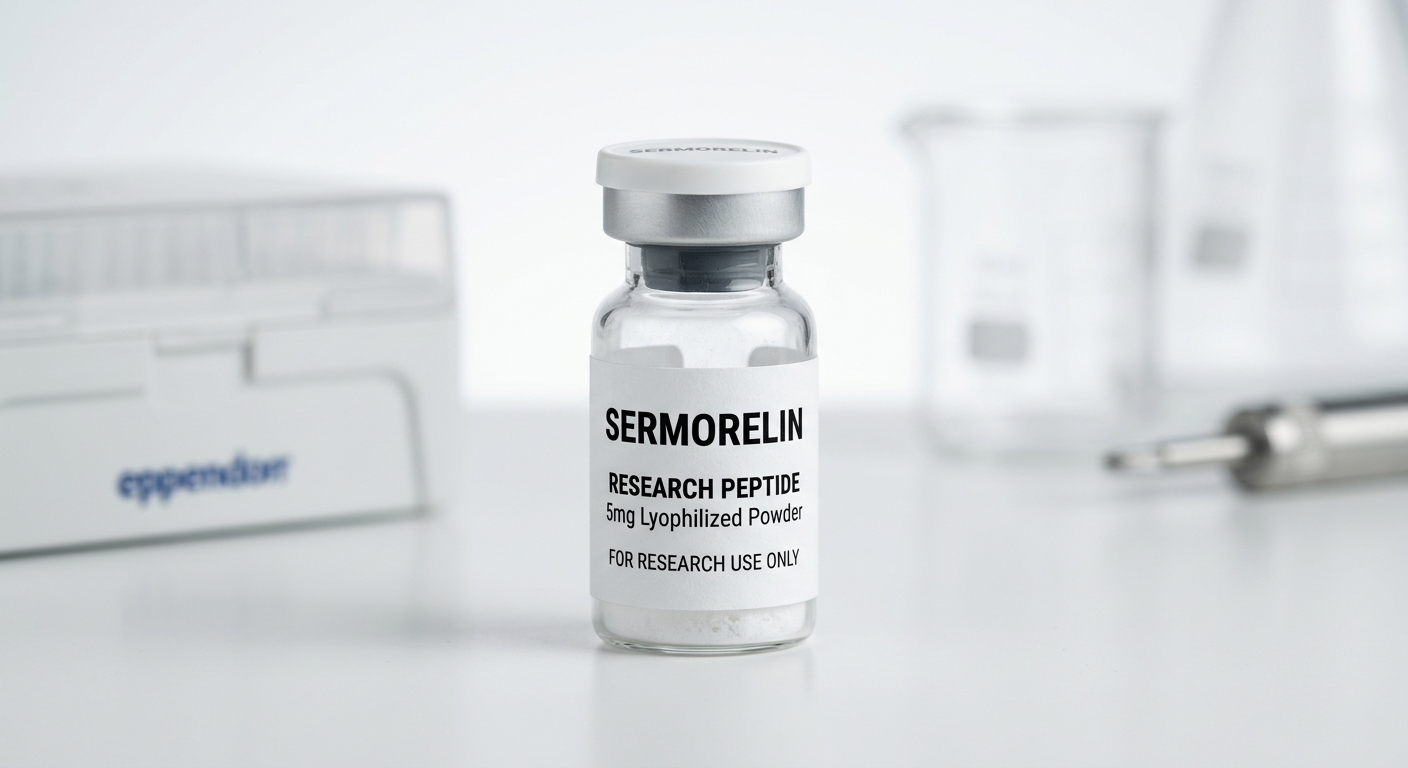
Sermorelin
Native GHRH(1-29) fragment that has the most clinical history of all GHRH peptides. Studied extensively for age-related GH decline and HPA axis normalisation.